

Introduction to Hydroponics vs. Soil Gardening
Choosing the right gardening method is crucial for your success as a grower. In recent years, HYDROPONICS has surged in popularity, captivating both novice and seasoned gardeners alike. This soil-less technique offers a high-tech alternative that promises efficiency, control, and impressive results.
On the other hand, SOIL GARDENING remains the time-honored approach that many still swear by. Its simplicity, accessibility, and natural benefits make it a favorite for those who cherish the earth beneath their feet. In this article, you’ll explore both methods, weighing their unique advantages and challenges. By the end, you’ll be better equipped to decide which gardening method best fits YOUR NEEDS and aspirations.


Understanding Hydroponics
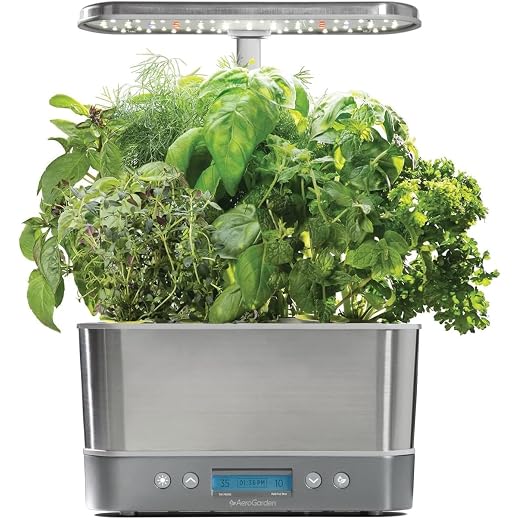
Hydroponics is a method of growing plants without soil, relying instead on nutrient-rich water solutions to feed the roots directly. This innovative approach has attracted attention for its efficient use of space and resources, allowing you to cultivate a wide variety of plants in smaller areas, making it especially popular for urban gardeners.
The Systems Behind Hydroponics
There are several hydroponic systems you can explore:
Each system has its own strengths, with options catering to beginner gardeners, hobbyists, and advanced growers.
By using hydroponics, you can overcome many challenges associated with traditional soil gardening, such as soil degradation and pests. Additionally, the ability to precisely control nutrient levels allows for faster growth rates and higher yields.
As you delve deeper into this modern gardening method, you’ll discover the myriad benefits that make hydroponics an appealing option. This sets the stage for our next section, where we’ll unpack the specific advantages hydroponic gardening has to offer.
The Benefits of Hydroponic Gardening
Hydroponic gardening presents a wide array of benefits that make it an enticing choice for modern growers. If you’re looking for rapid growth, efficient use of space, and reduced water consumption, this method may be your answer.
Faster Growth Rates
Plants grown hydroponically often experience up to 30-50% faster growth compared to those in soil. This efficiency arises from the direct access to nutrients and oxygen, allowing roots to absorb what they need more effectively. For instance, if you seed lettuce in a hydroponic system, you might harvest it in just three weeks!
Space Efficiency
Hydroponics shines in urban gardening scenarios where space is limited. You can grow vertically using shelves or racks, maximizing your yield in small areas. This revolutionary technique means you can cultivate a lush indoor garden on a balcony or in a basement, making it ideal for city dwellers.
Reduced Water Usage
One of the most compelling advantages is hydroponics’ sustainability. It utilizes up to 90% less water than traditional soil gardening. Since water is recirculated in the system, you minimize waste while maintaining healthy plants.
Fewer Pests and Diseases
By eliminating soil, you’re also reducing the risk of soil-borne pests and diseases. This means less need for pesticides and a cleaner, healthier harvest. For example, many hydroponic growers report significantly fewer infestations, allowing them to enjoy a more organic gardening experience.
These benefits create a strong case for incorporating hydroponics into your gardening practices. As you consider how to best set up your garden, the next section will delve into the time-tested and beloved method of soil gardening and what it brings to the table.
The Soil Gardening Approach
Soil gardening is the foundation of traditional horticulture, revered for its natural simplicity and rich history. In this approach, you cultivate plants directly in the earth, utilizing various techniques like raised beds, in-ground planting, and container gardening to optimize your space and soil quality.
Techniques to Consider
- Raised Beds: Elevating your garden beds allows for better drainage, warmer soil, and reduced foot traffic on plants. This technique is particularly beneficial for areas with poor soil or where you want to manage soil quality easily.
- In-Ground Planting: Ideal for larger gardens, this method involves cultivating plants directly in the earth. It promotes deep root growth and is perfect for growing larger plants like tomatoes and zucchinis that require ample space.
- Container Gardening: For those with limited space, containers provide versatility. You can grow herbs, flowers, and vegetables on balconies or patios, allowing you to control the soil type, moisture, and nutrients better.
Why Choose Soil?
Many gardeners prefer soil because it offers a complex ecosystem of beneficial microorganisms, nutrients, and organic matter that contribute to plant health. Moreover, the tactile experience of working with soil – feeling its texture, smelling its earthiness, and observing life within it – connects you to nature.
Additionally, managing a soil garden means honing your gardening skills through techniques like composting, mulching, and understanding seasonal cycles. You might find yourself developing a deeper understanding of how plants thrive, which can be incredibly rewarding.
As we explore soil gardening’s strengths, prepare for a side-by-side analysis of hydroponics and soil gardening, helping you decide which method aligns best with your gardening goals and lifestyle.
Advantages of Soil Gardening
When considering whether to grow plants in soil, you’ll find numerous advantages that have kept soil gardening a beloved practice for many. Here are some key benefits to contemplate:
Natural Nutrient Availability
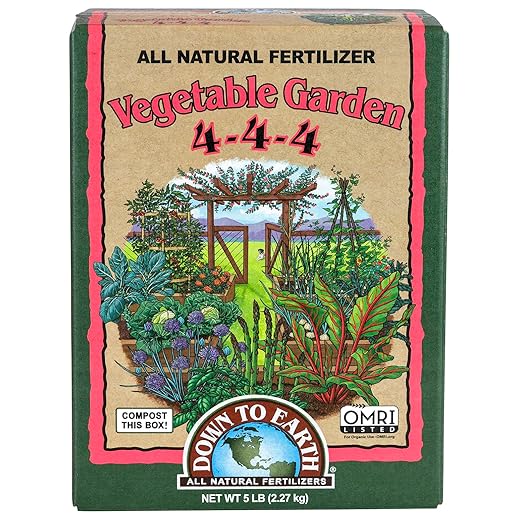
Soil is a treasure trove of nutrients essential for plant growth. It contains organic matter, minerals, and trace elements, which provide a balanced diet for your plants. Unlike hydroponics, where you must precisely manage nutrient solutions, soil allows your plants to access a broad range of nutrients naturally, often resulting in better flavor and quality.
The Role of Microorganisms
In soil, a vibrant ecosystem thrives. Beneficial microorganisms—like mycorrhizal fungi and bacteria—enhance nutrient uptake, improve soil structure, and protect against pathogens. When you dig into the earth, you’re nurturing a biological community that promotes healthy plant growth. For instance, rhizobacteria can significantly improve plant health by increasing nutrient absorption.

Ease of Setup
Setting up a soil garden can be refreshingly simple. All you need is good soil, some seeds, and the right conditions. This accessibility is ideal for beginners. Unlike hydroponics, which may require an initial financial investment in equipment and ongoing management of pumps and timers, soil gardening can often be accomplished with minimal tools and resources. Just grab some pots or till a small patch in your yard, and you’re ready to go!
Beloved Traditions
Finally, soil gardening connects you to centuries of gardening tradition. There’s something deeply satisfying about digging in the dirt, planting seeds with your hands, and watching the fruits of your labor develop over time. Many gardeners find joy in the rituals associated with tending to a soil garden, whether that’s nurturing seedlings indoors in the autumn or enjoying the harvest during summer festivals.
As you weigh these benefits, it’s important to recognize how they stack up against hydroponic advantages. Our next section will provide a comparative analysis, helping you clearly see which method best aligns with your gardening aspirations.
Comparative Analysis: Hydroponics vs. Soil Gardening
When deciding between hydroponics and soil gardening, it’s important to evaluate several key factors to determine which method suits your needs best.
Cost
Maintenance
Yield
Knowledge Required
Ultimately, both methods have distinct advantages and challenges. As you weigh these aspects, consider how your personal gardening style and goals will influence your choice. In the next section, we’ll discuss how to determine which option aligns best with your specific gardening needs and lifestyle.

Making the Right Choice for Your Garden
Choosing between hydroponics and soil gardening involves understanding your personal circumstances and preferences. Here are some essential factors to consider:
Your Space
Your Budget
Gardening Goals
Your Commitment Level
Incorporating these considerations will help you make an informed decision that aligns with your lifestyle and aspirations. Now let’s wrap up our exploration of hydroponics versus soil gardening in the conclusion.
Final Thoughts on Hydroponics vs. Soil Gardening
In weighing the advantages of hydroponics and soil gardening, it’s clear that both methods offer unique benefits that cater to different preferences and gardening goals. Hydroponics provides a high-tech, efficient route to fast growth and water conservation, while soil gardening offers a more traditional, nature-infused experience that connects you to the earth.
Ultimately, the choice between hydroponics and soil should align with your gardening objectives, available resources, and personal preferences. Consider experimenting with both methods to discover what works best for you, fostering a healthier, more productive garden along the way. Whatever path you choose, happy gardening!
